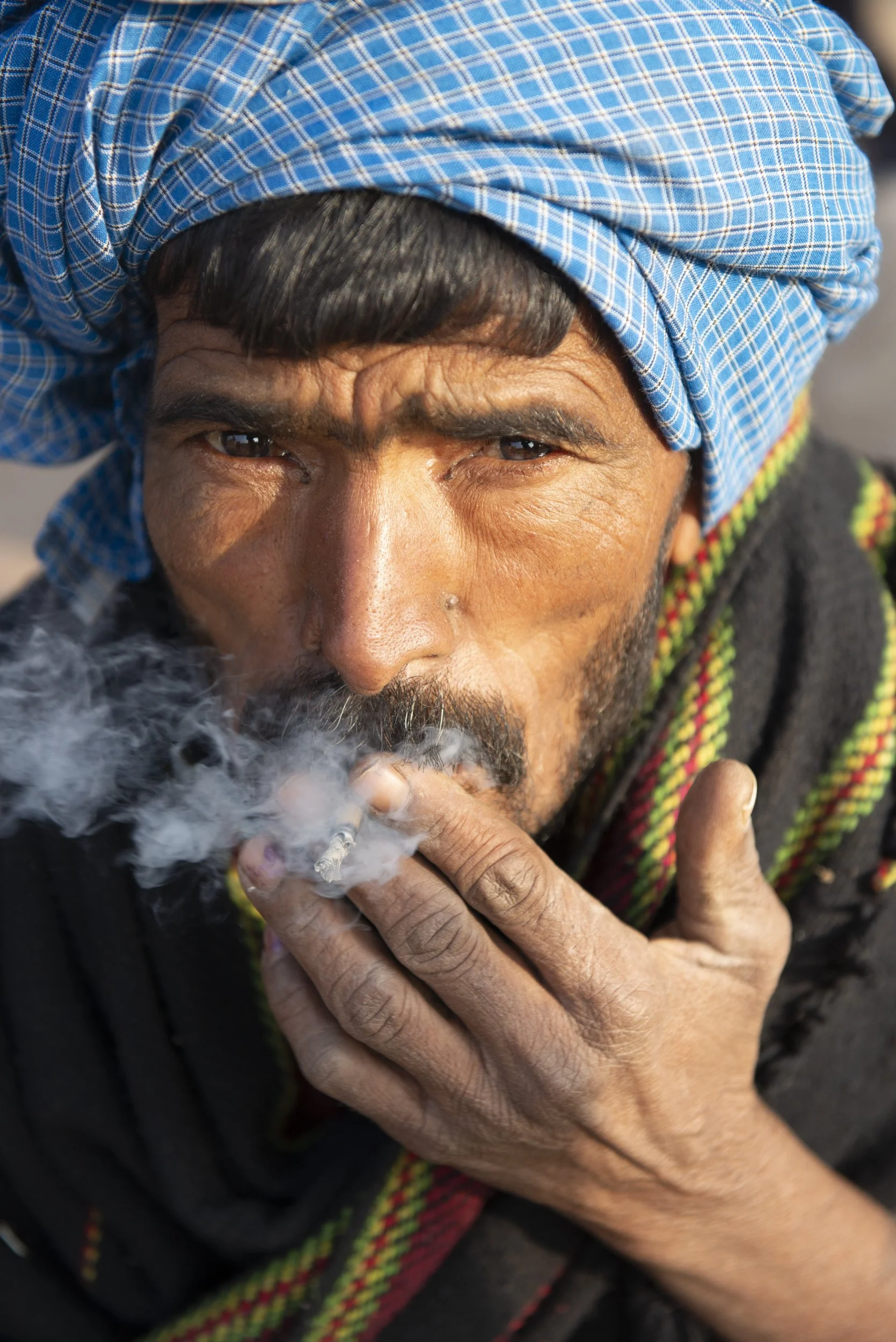
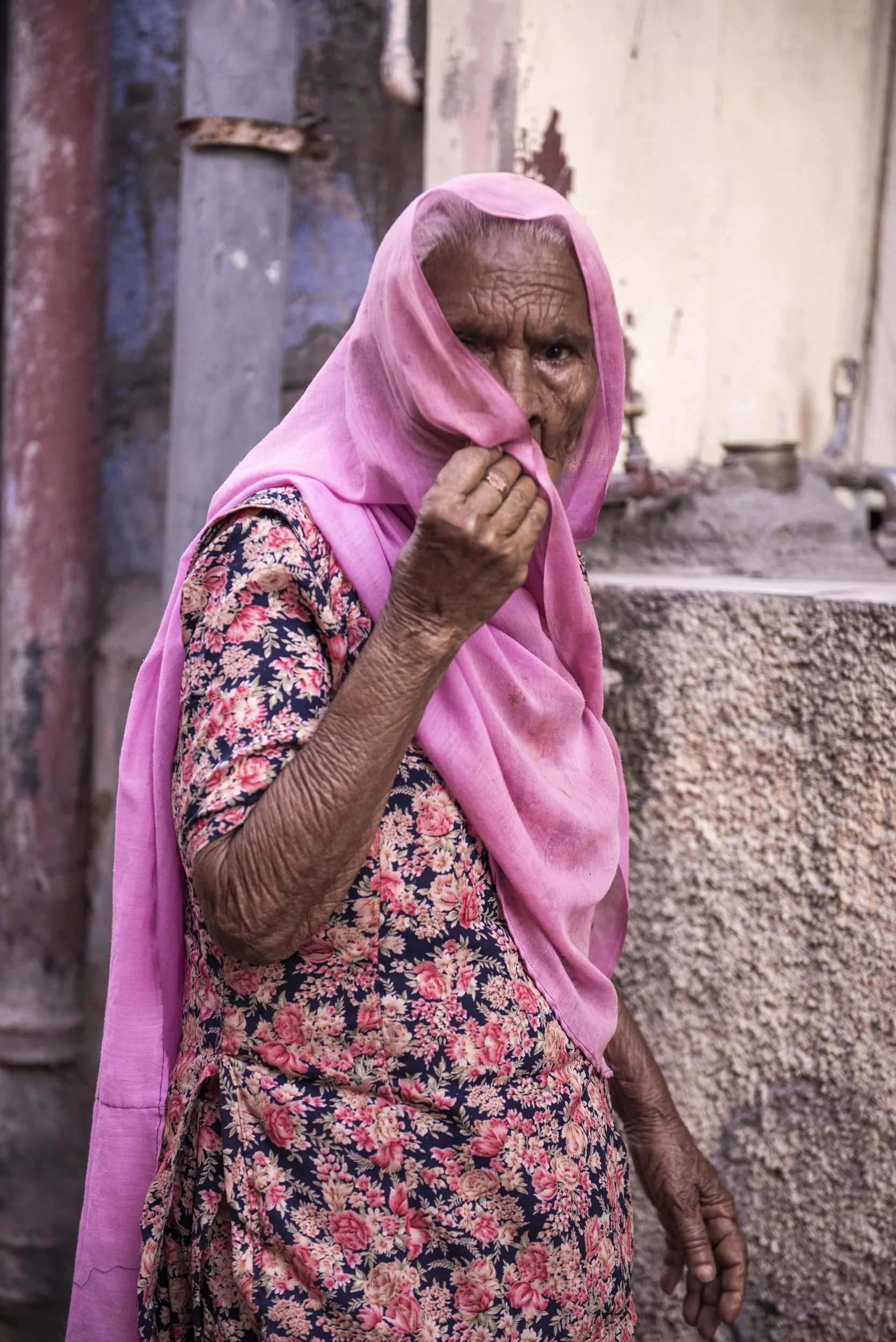
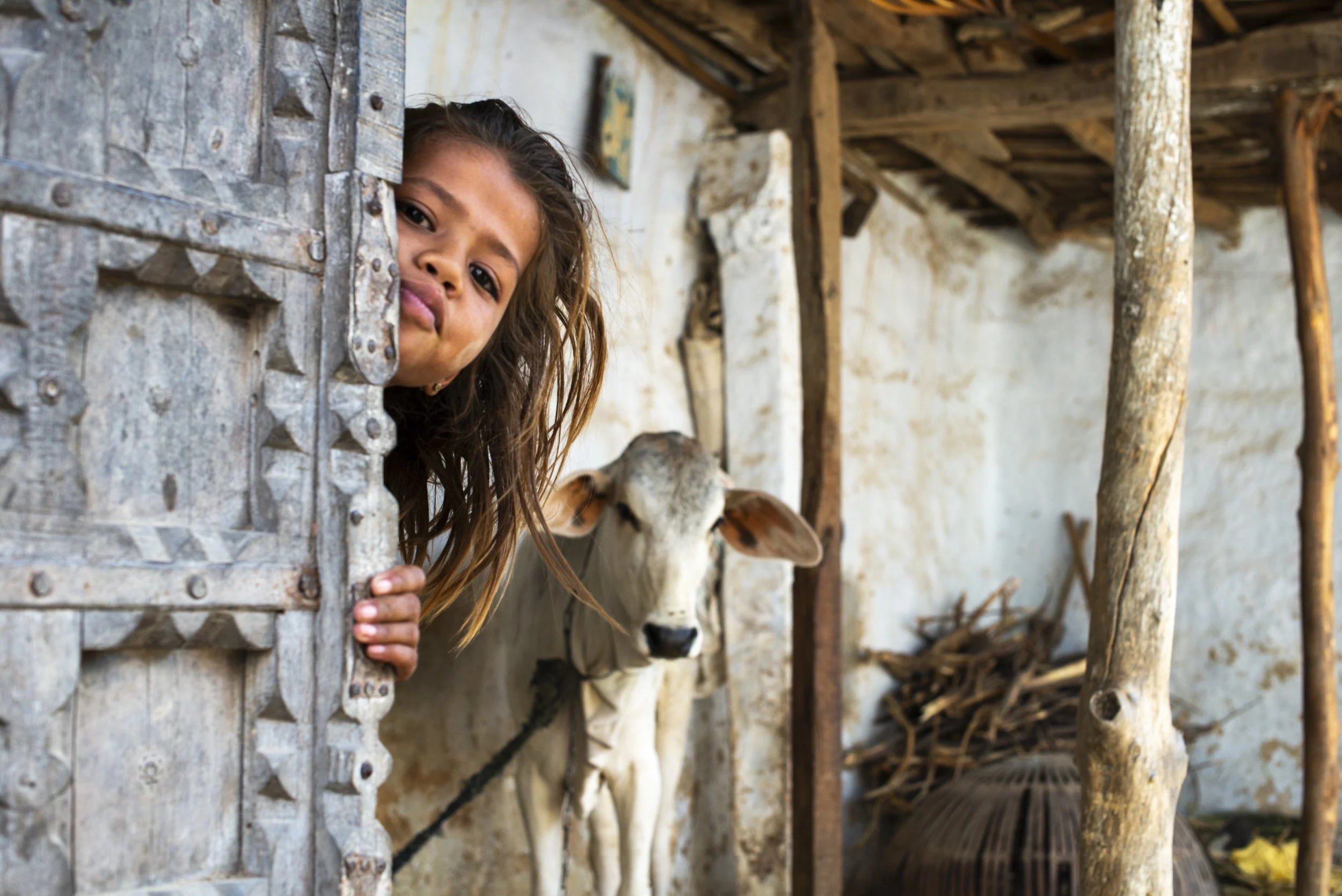
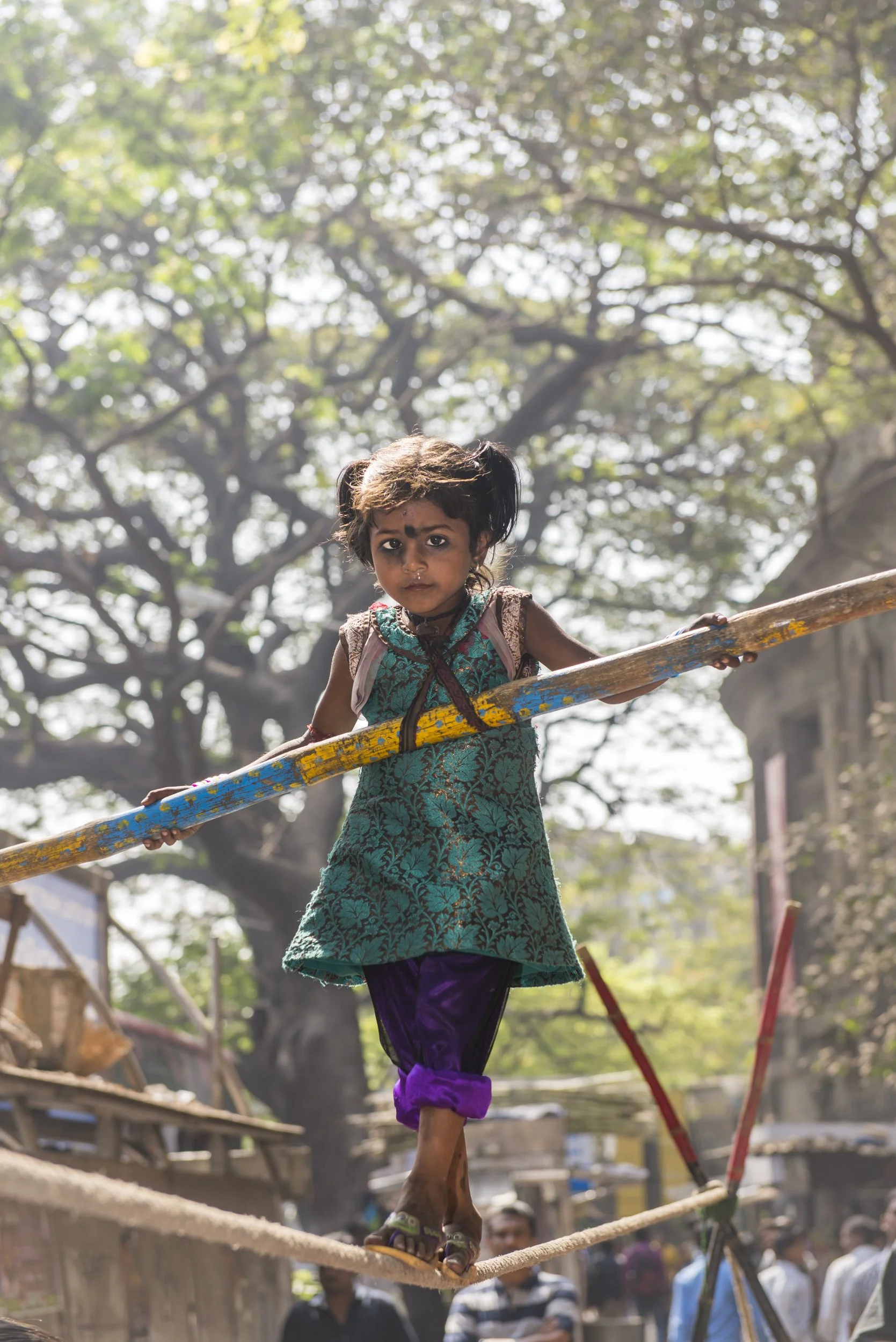
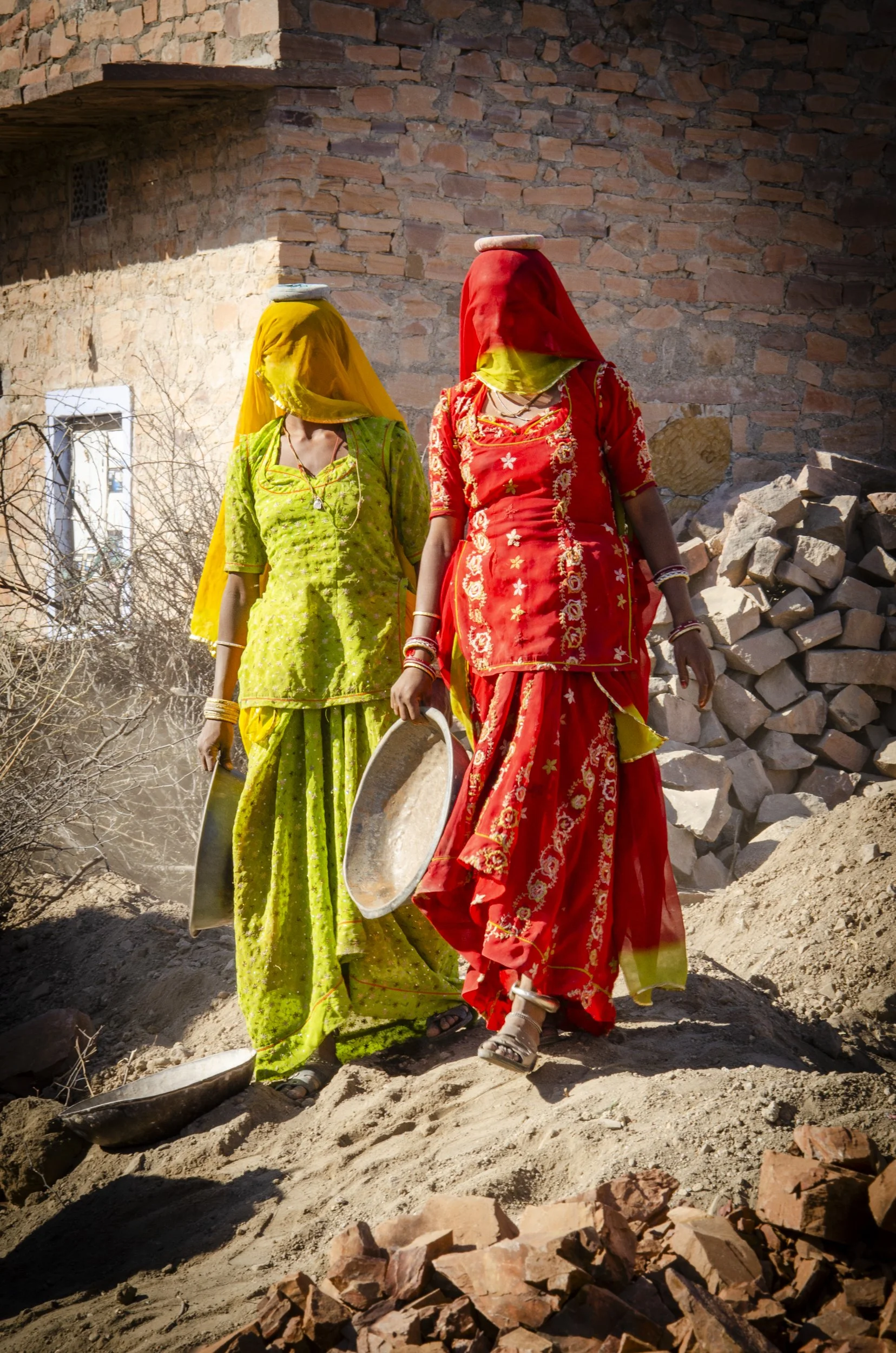
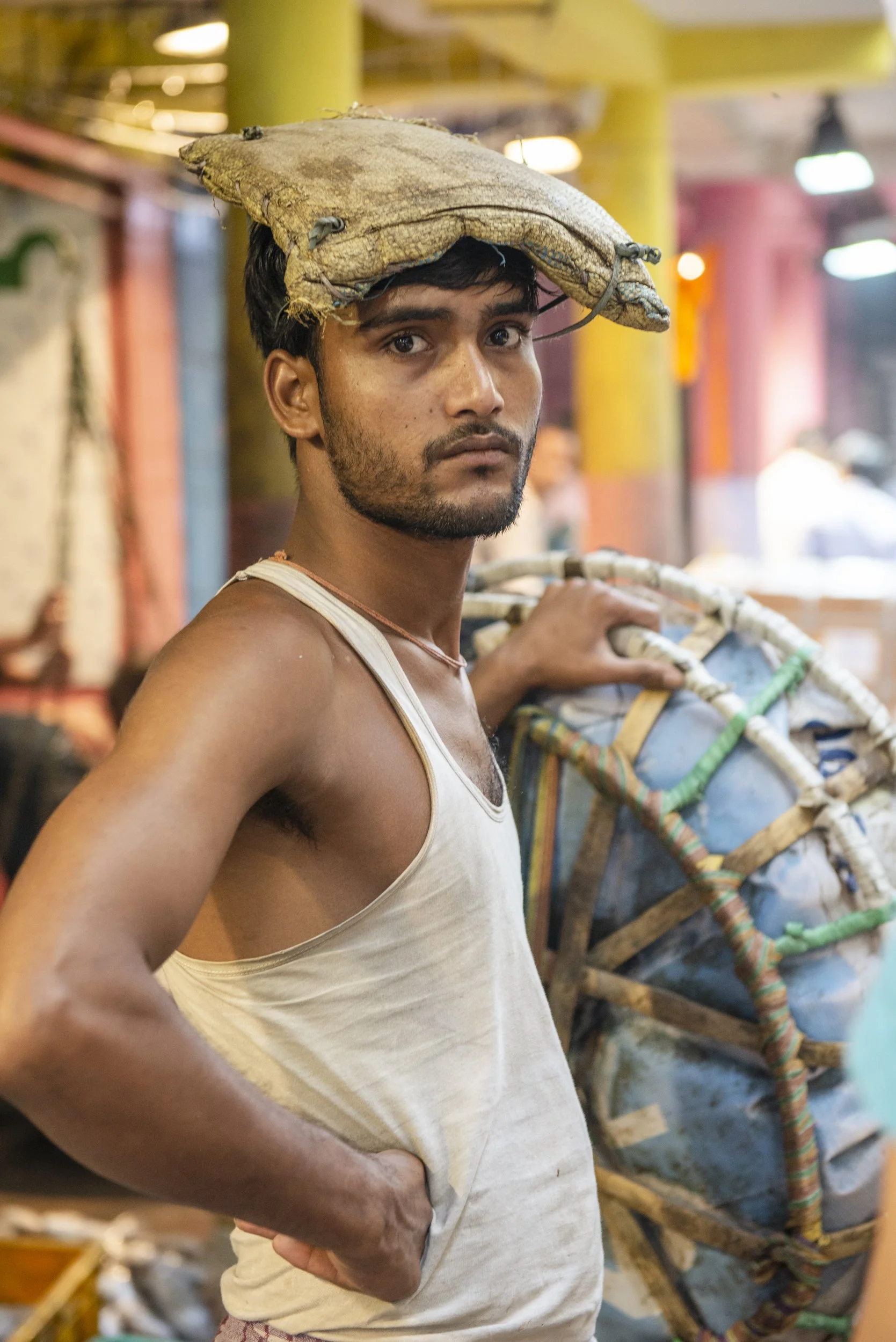
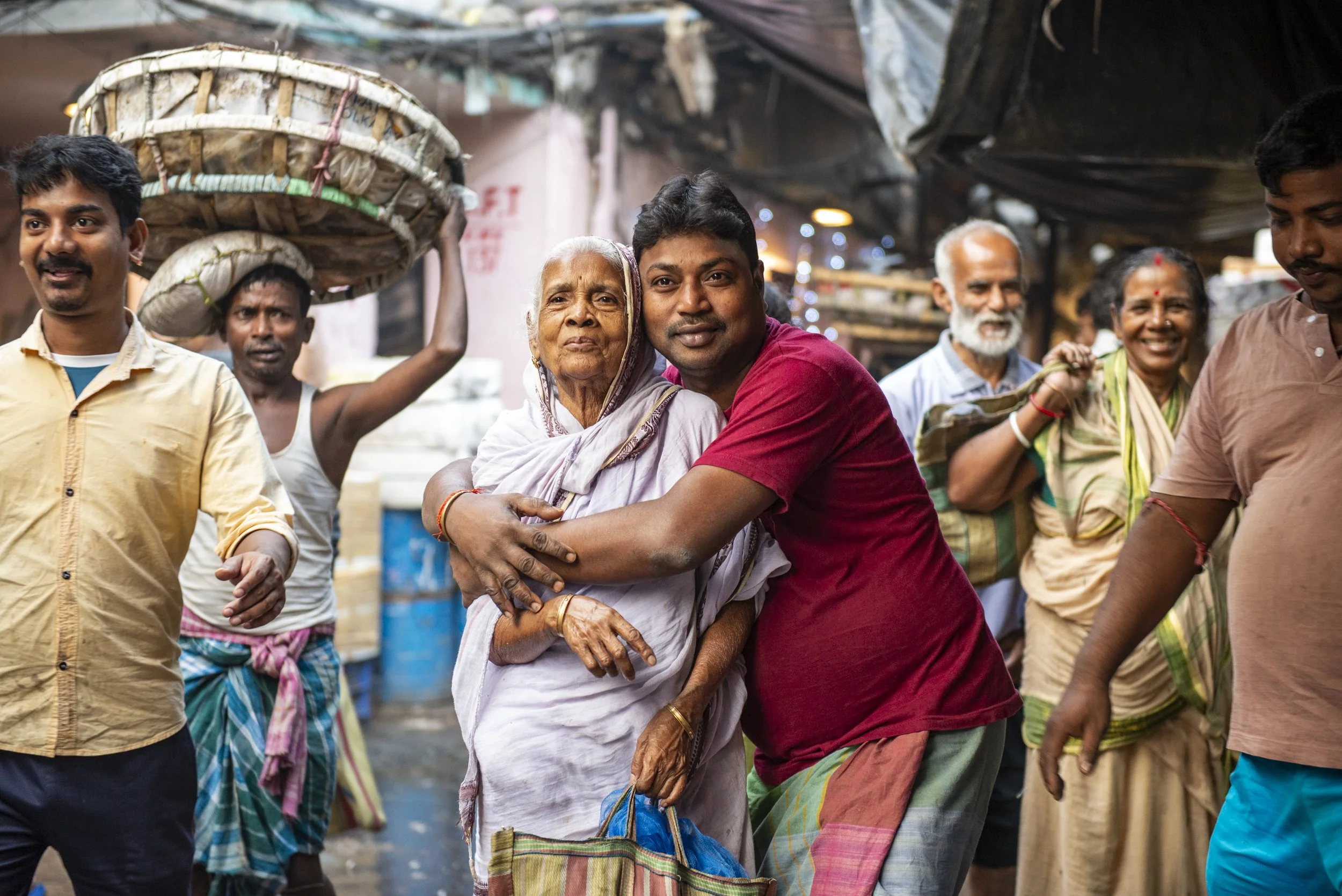
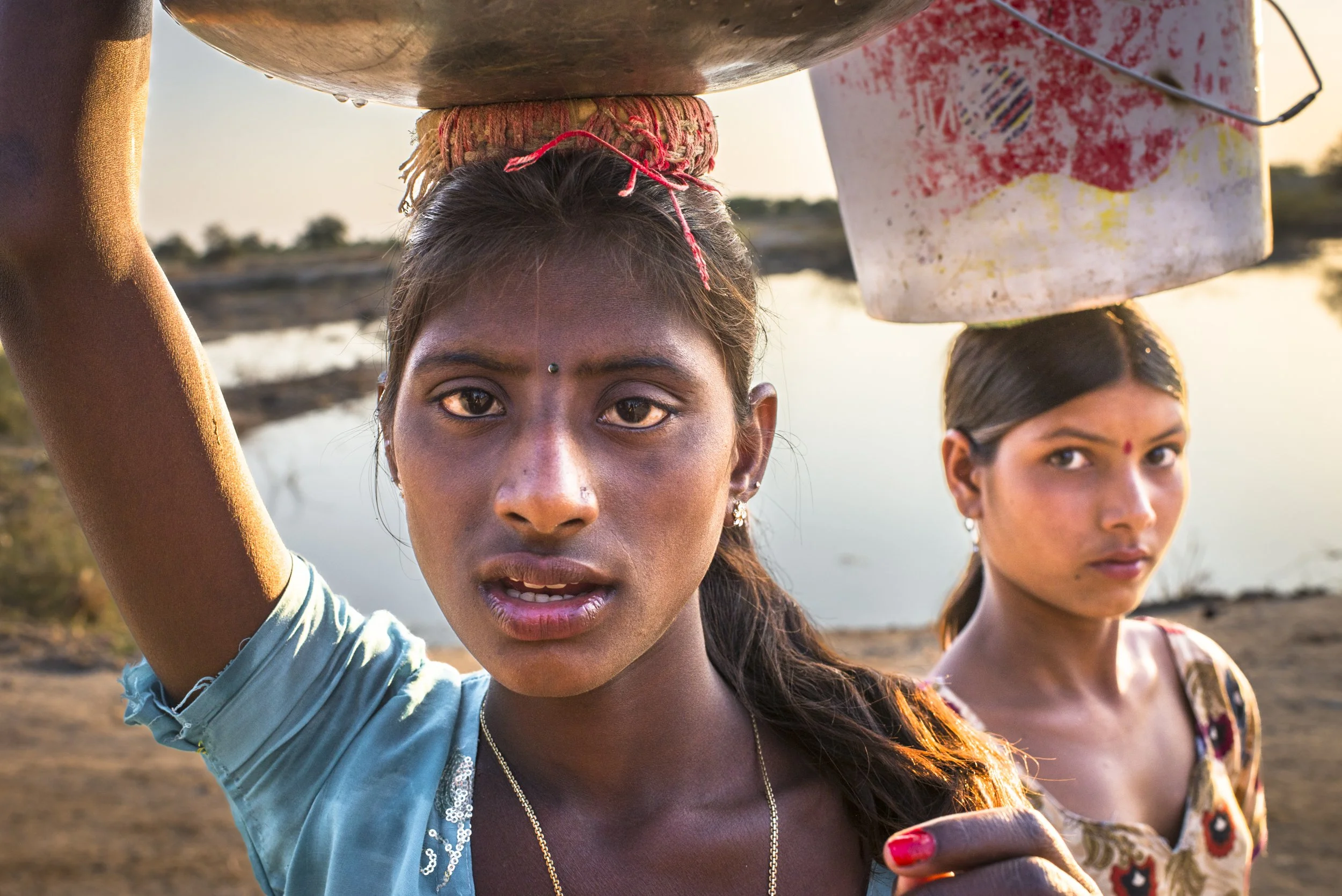
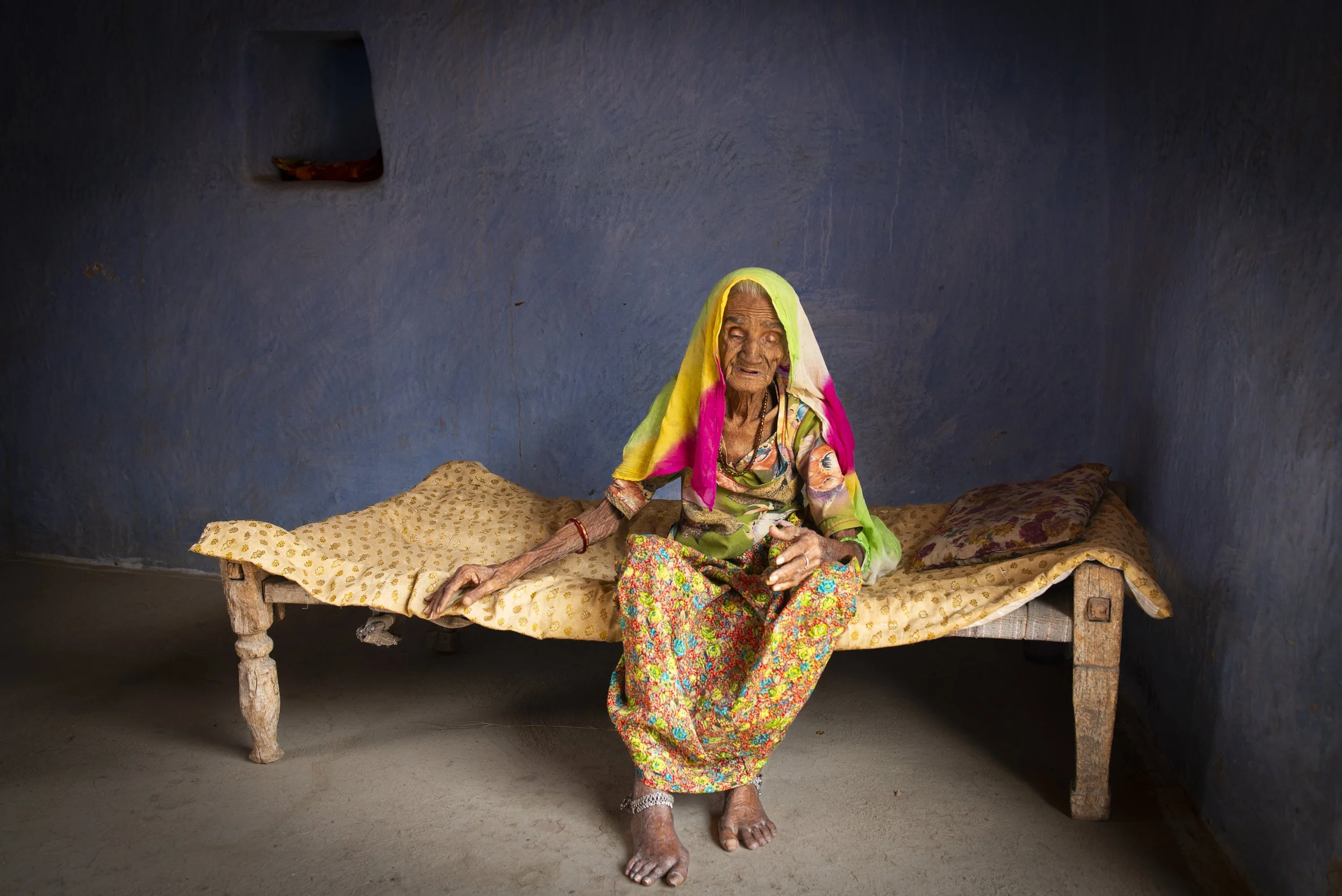
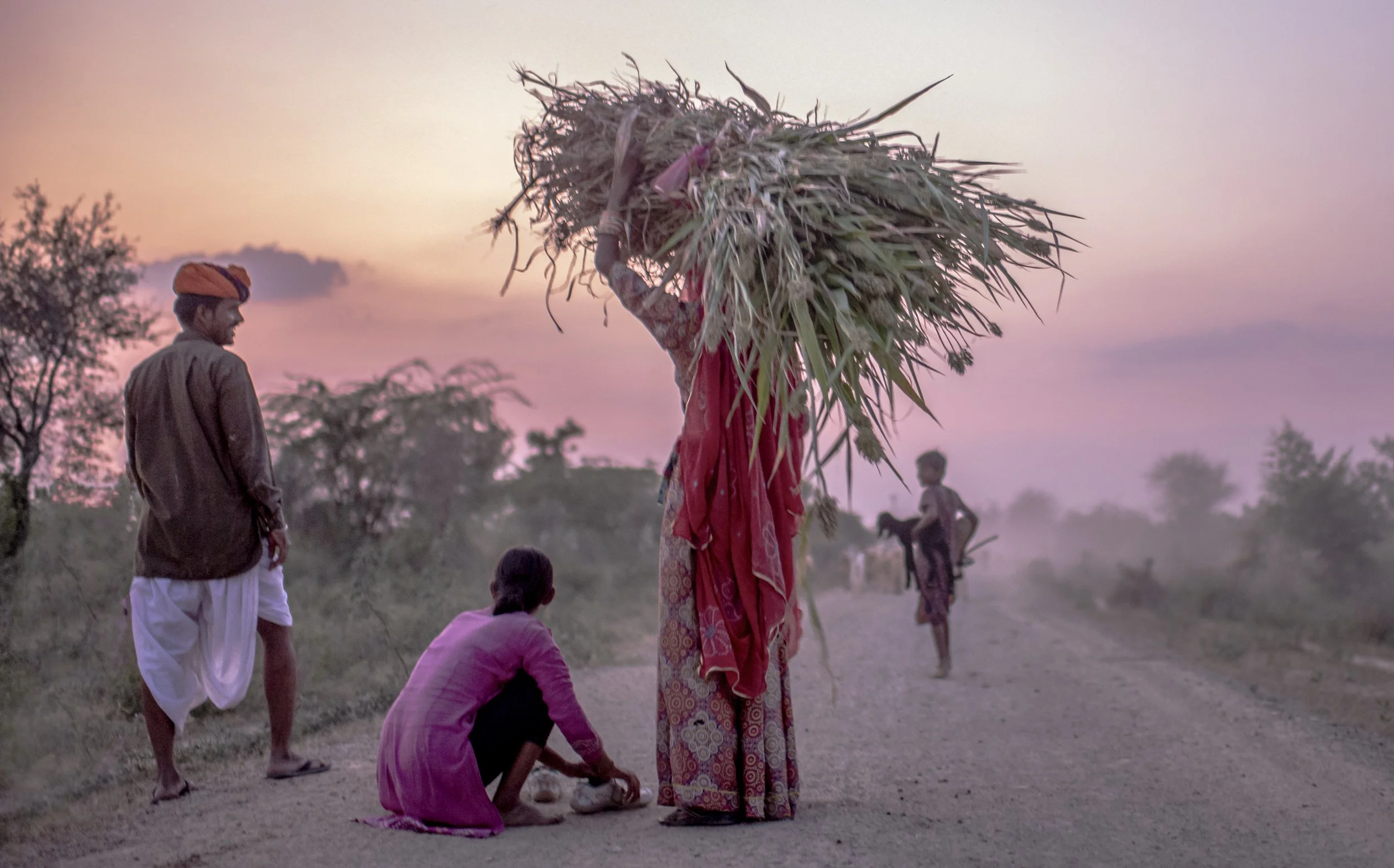
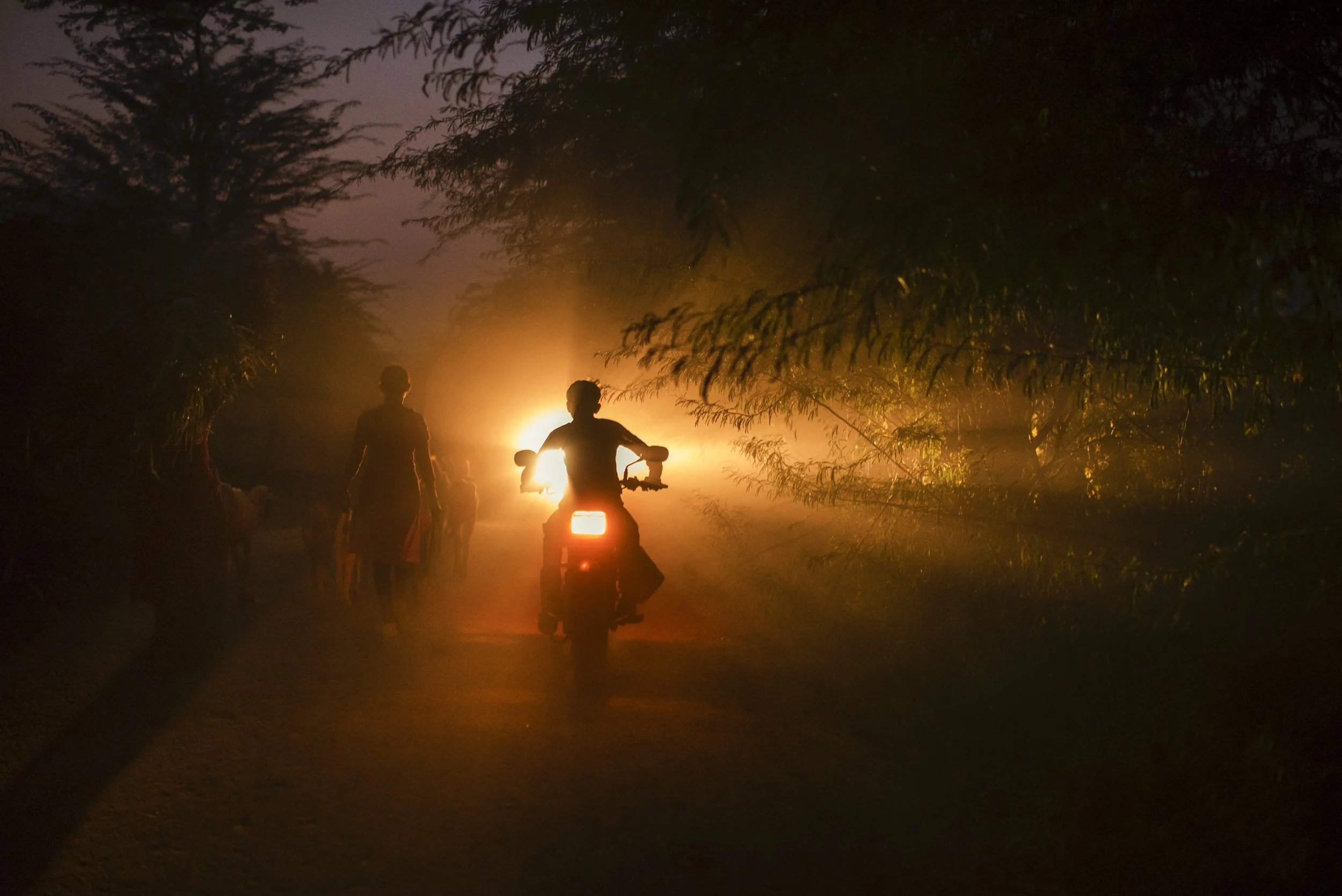
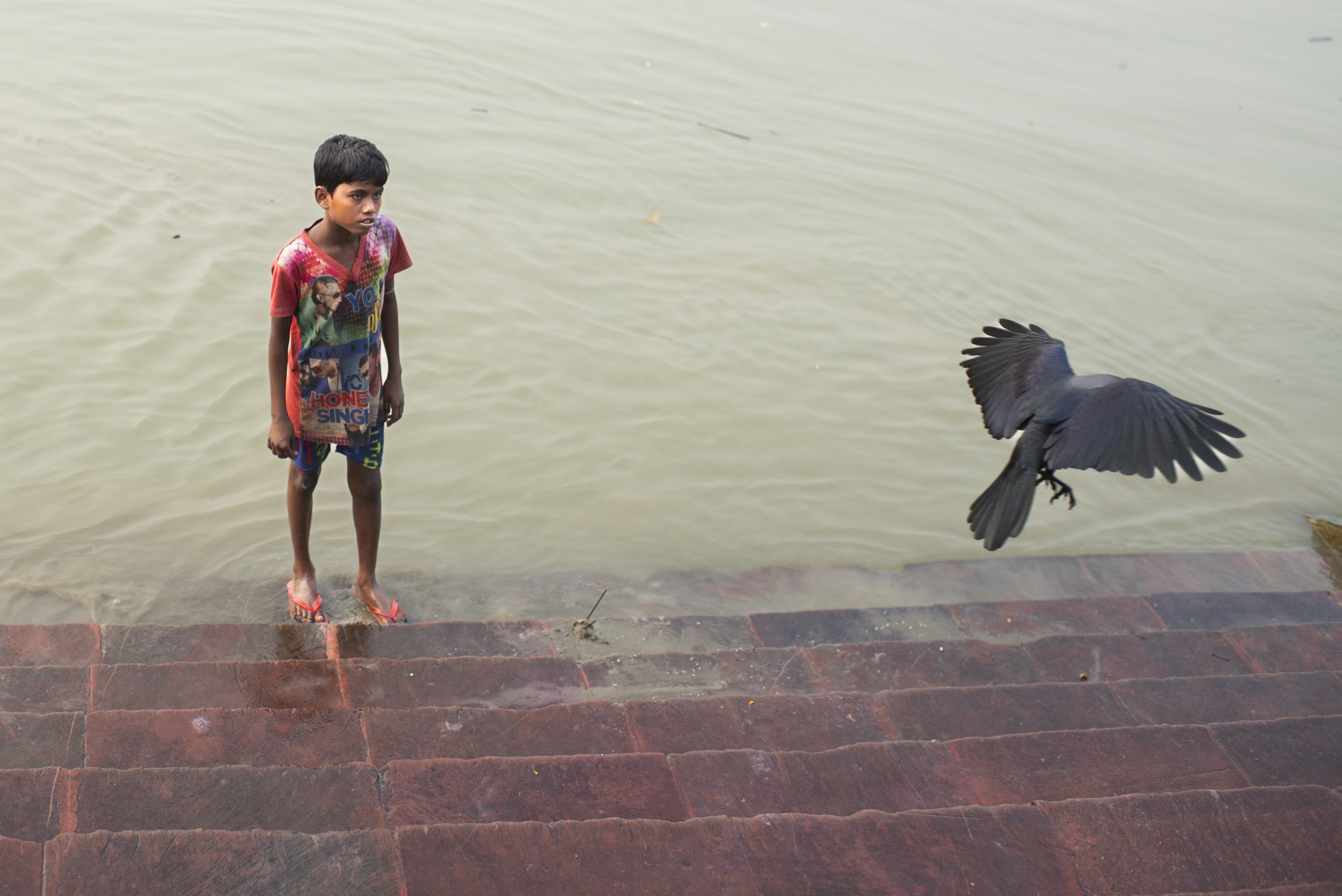
The End of Unlooking is a personal reckoning with privilege, prejudice, and the politics of the gaze.
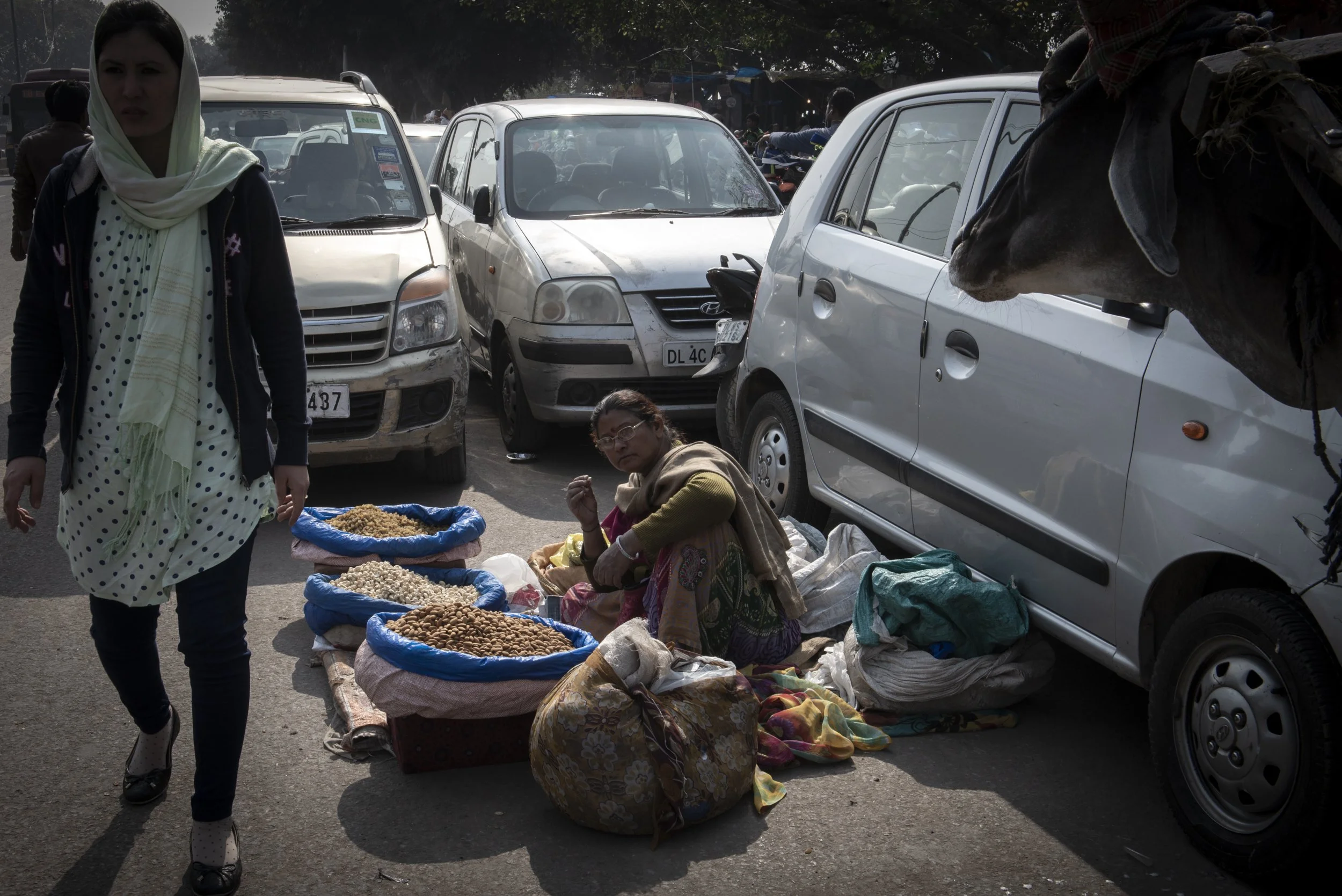
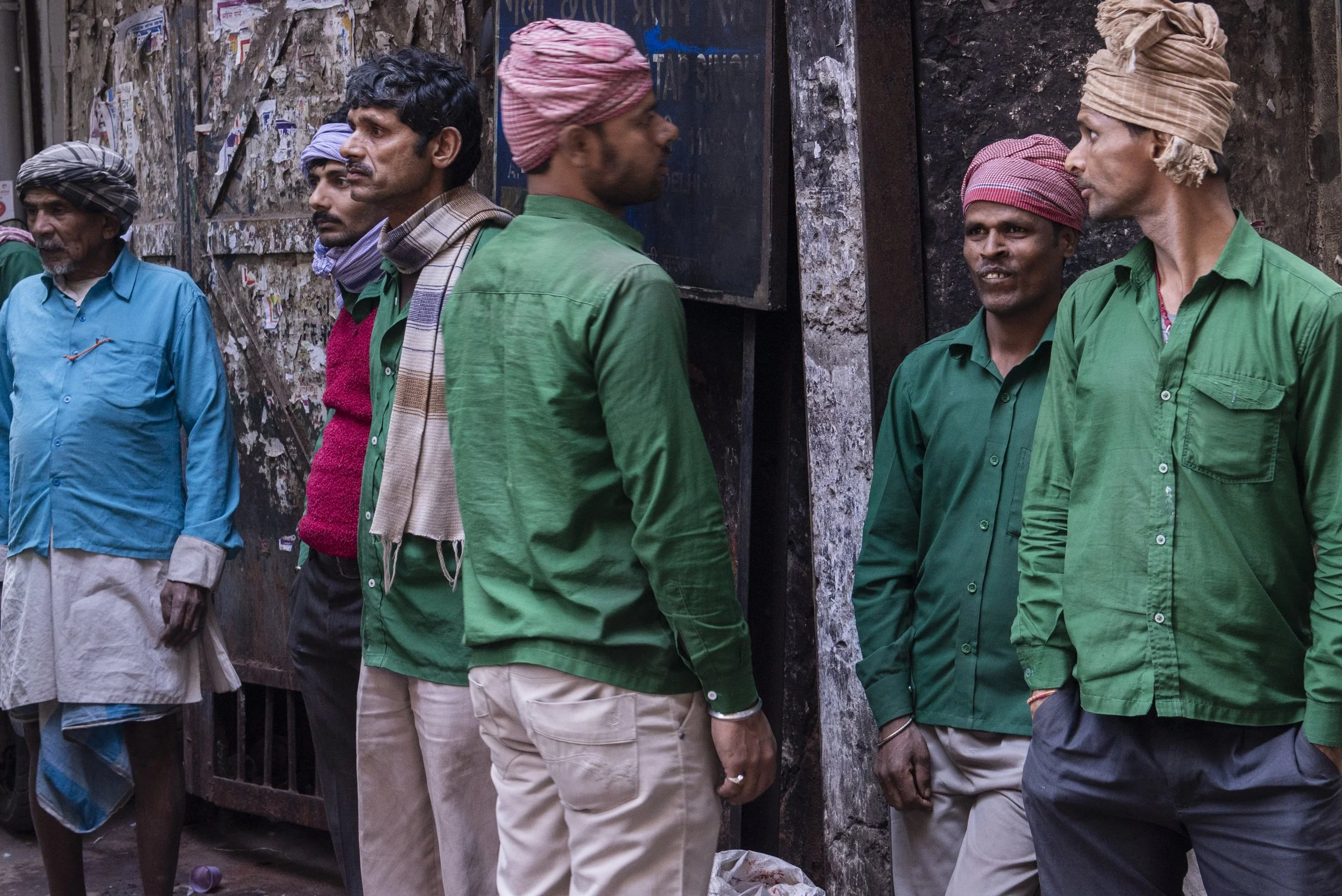
Growing up in an upper-middle-class household in Bombay, I was conditioned to “unlook” at those outside my socio-economic world—people who cleaned our homes, filled our streets, yet remained invisible. My early lens was shaped by fear, detachment, and inherited bias.
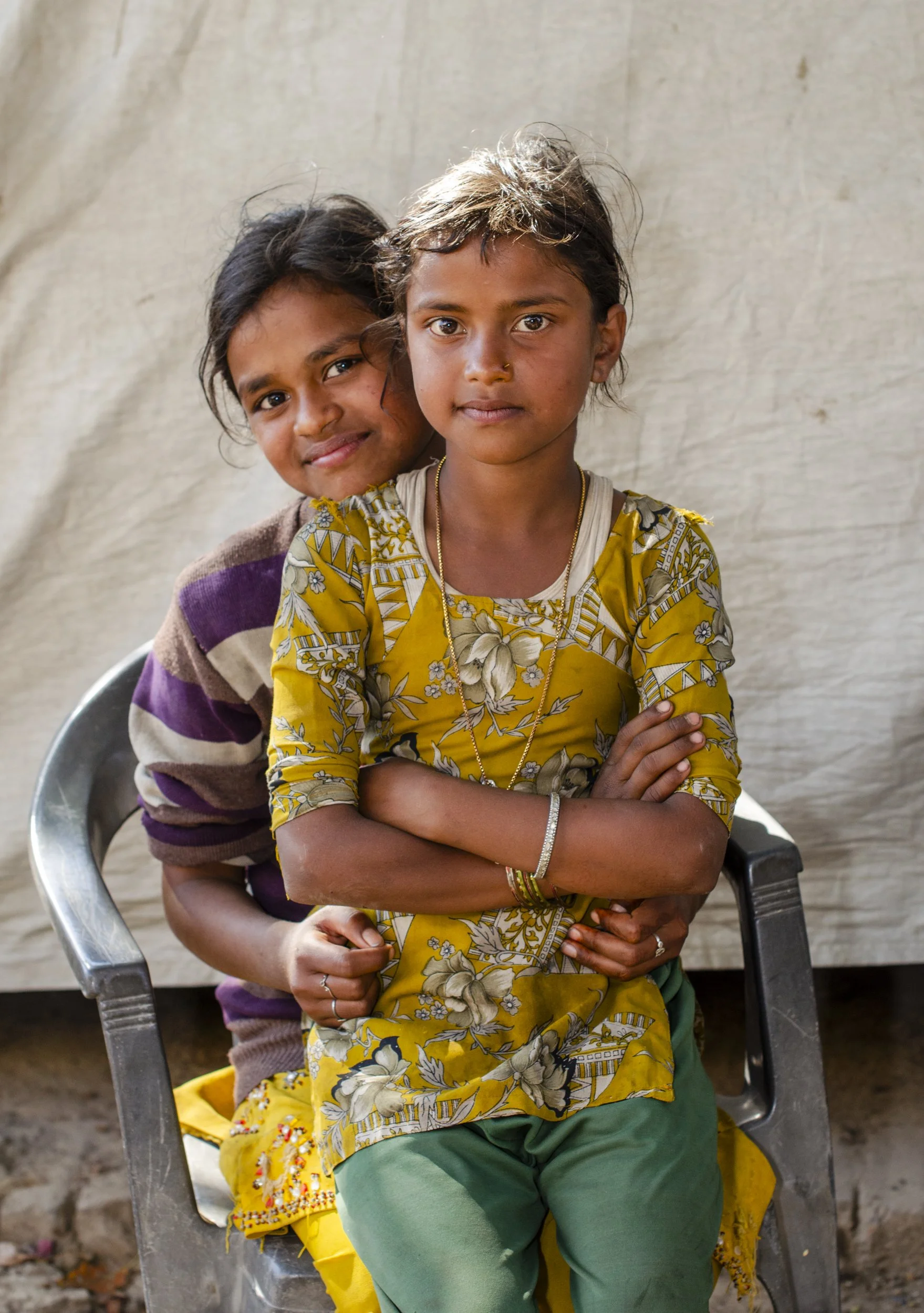
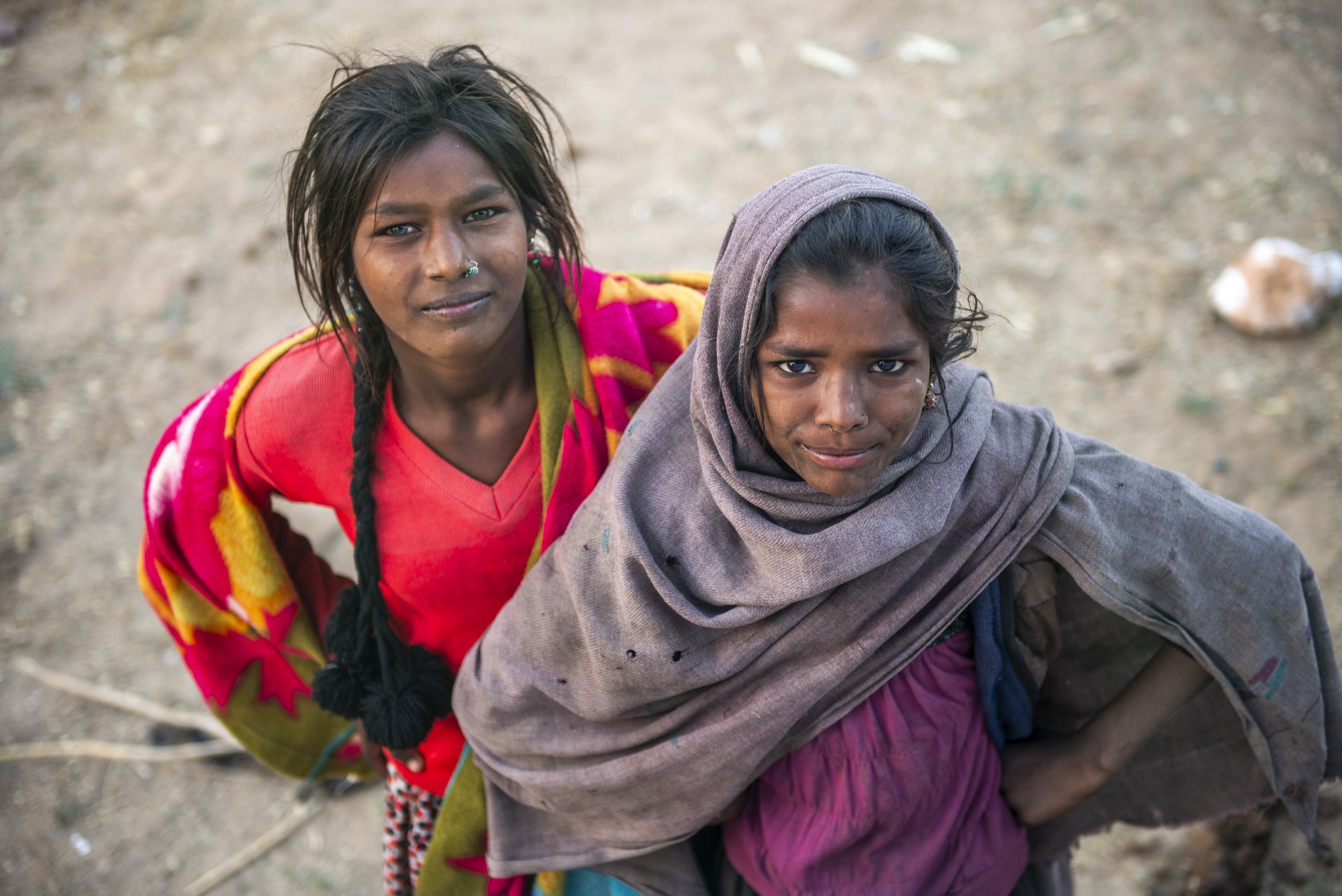
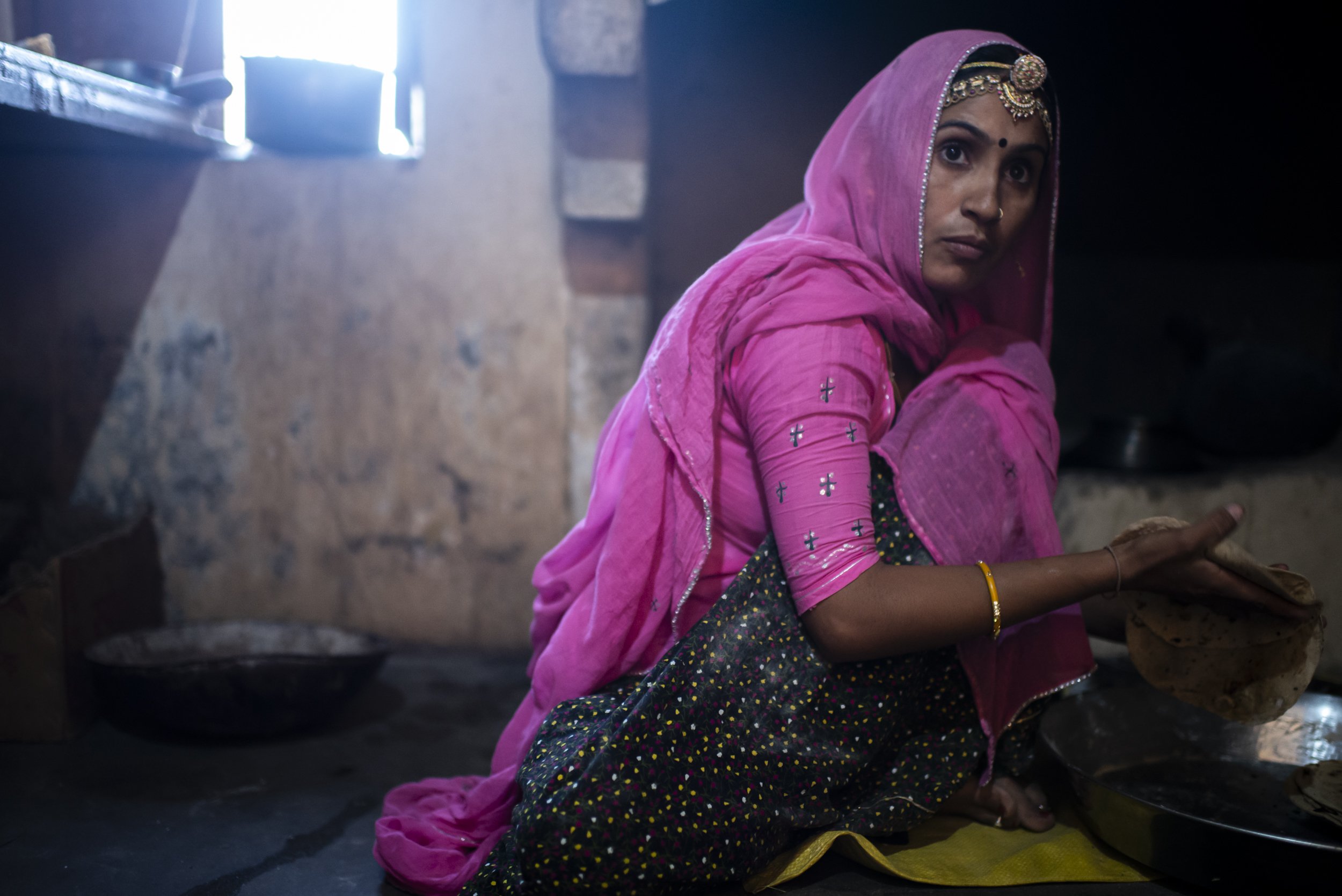
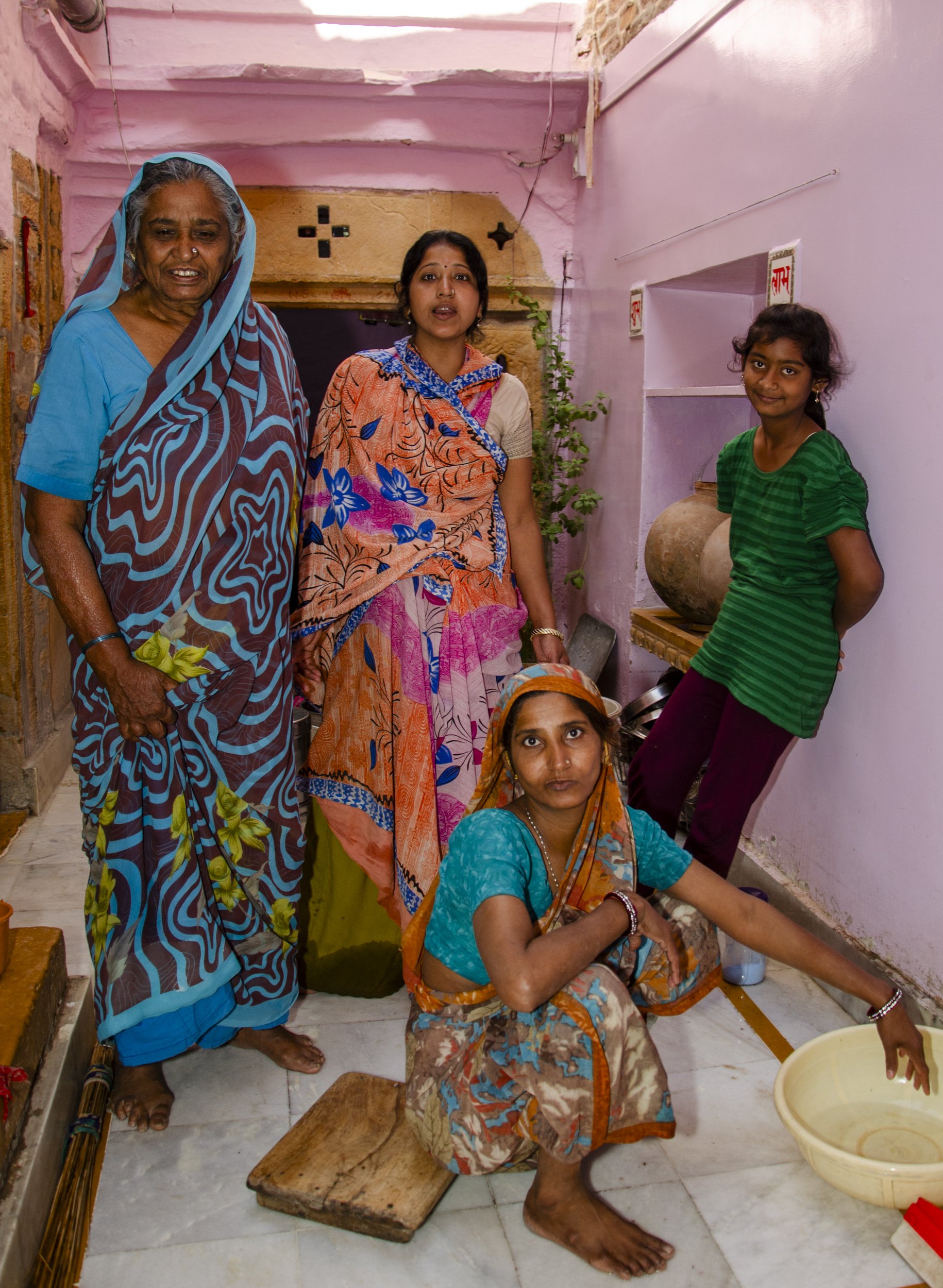
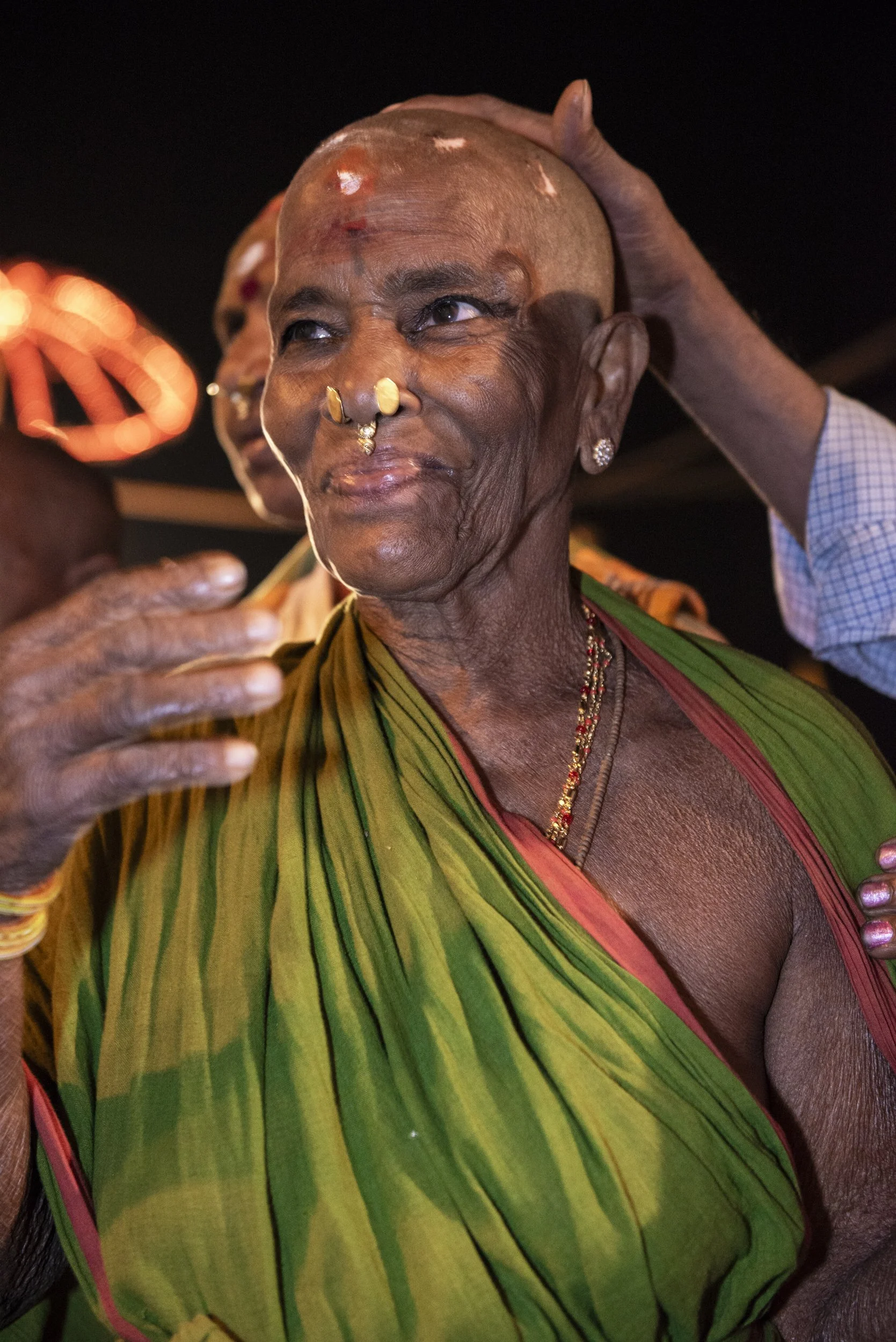
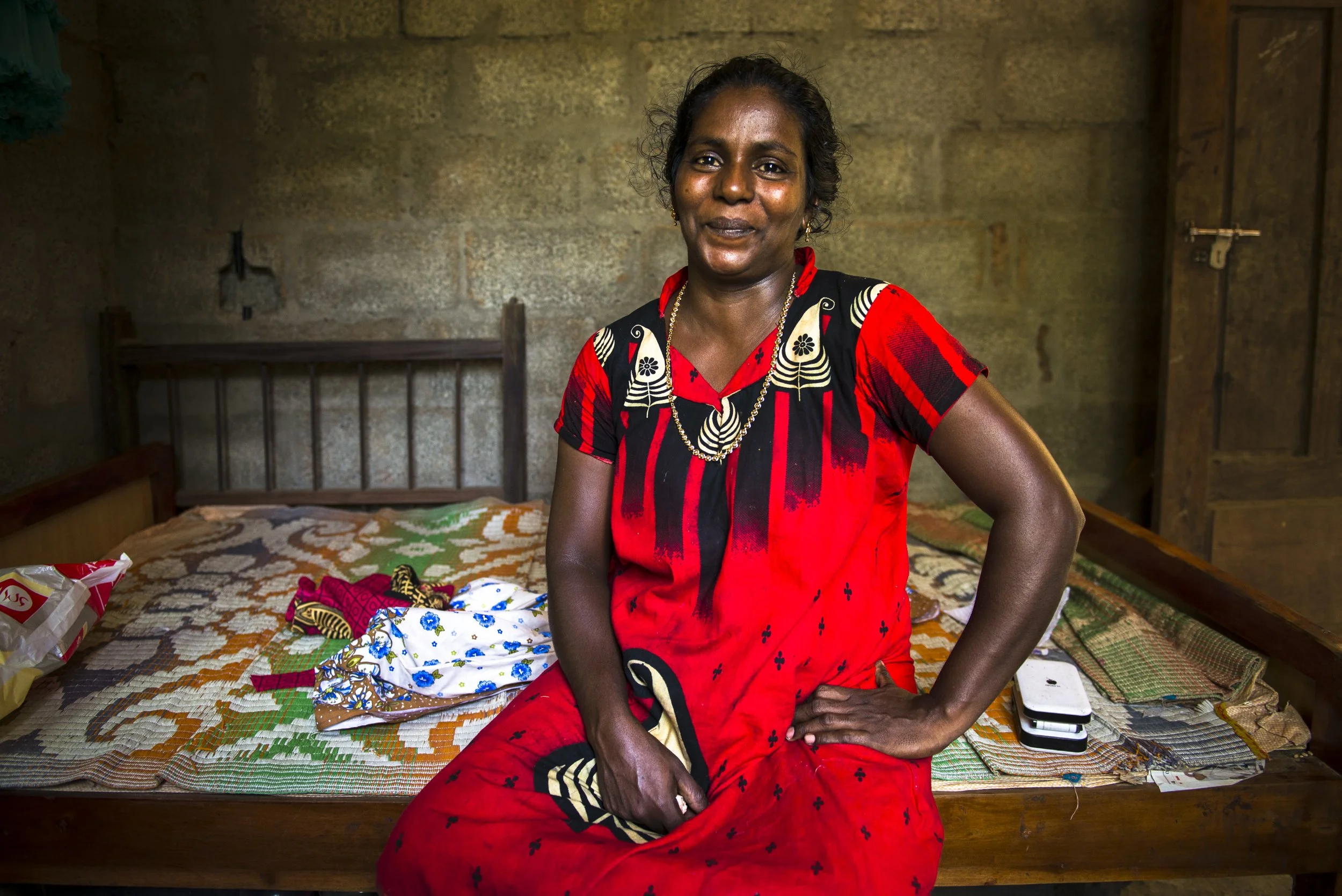
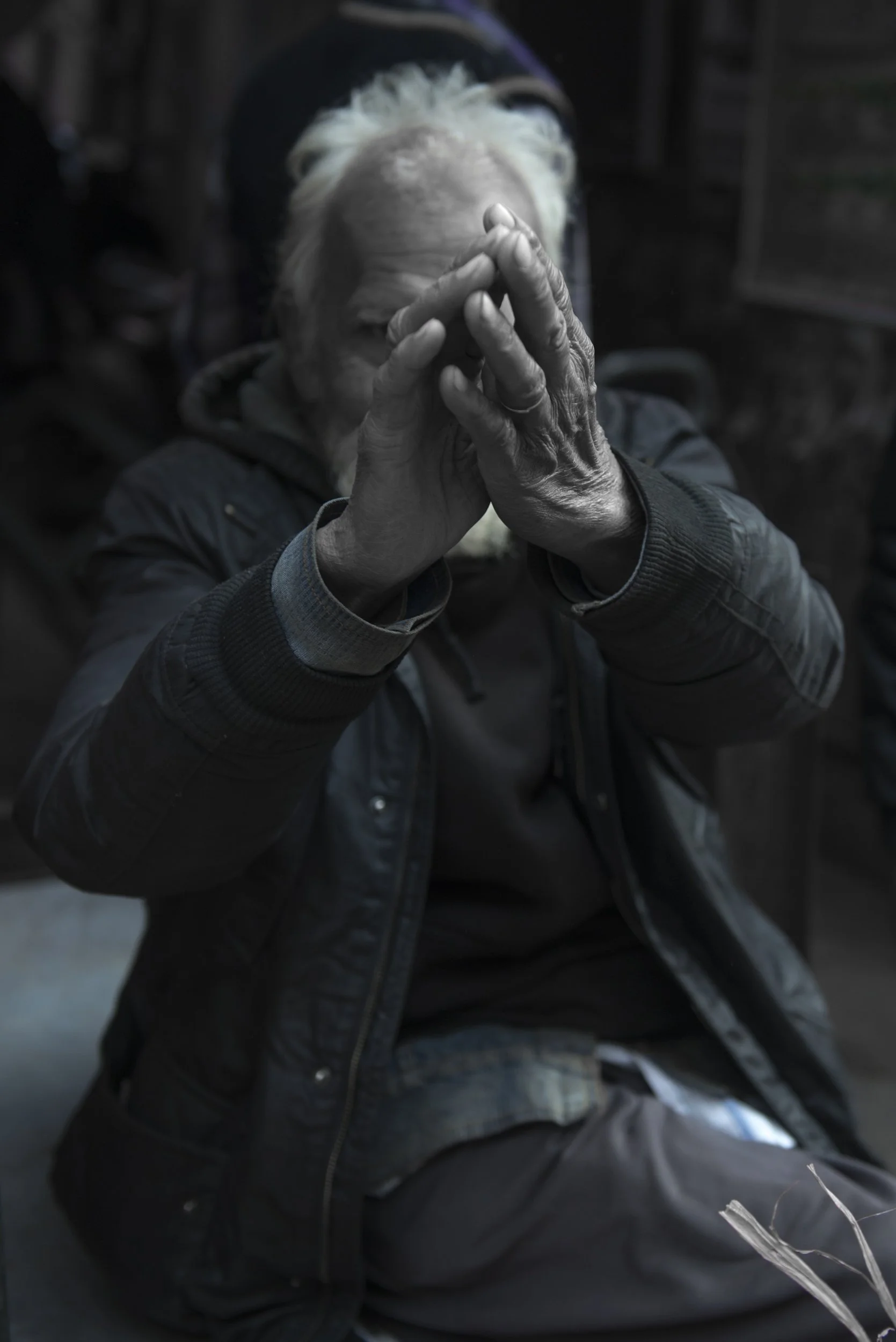
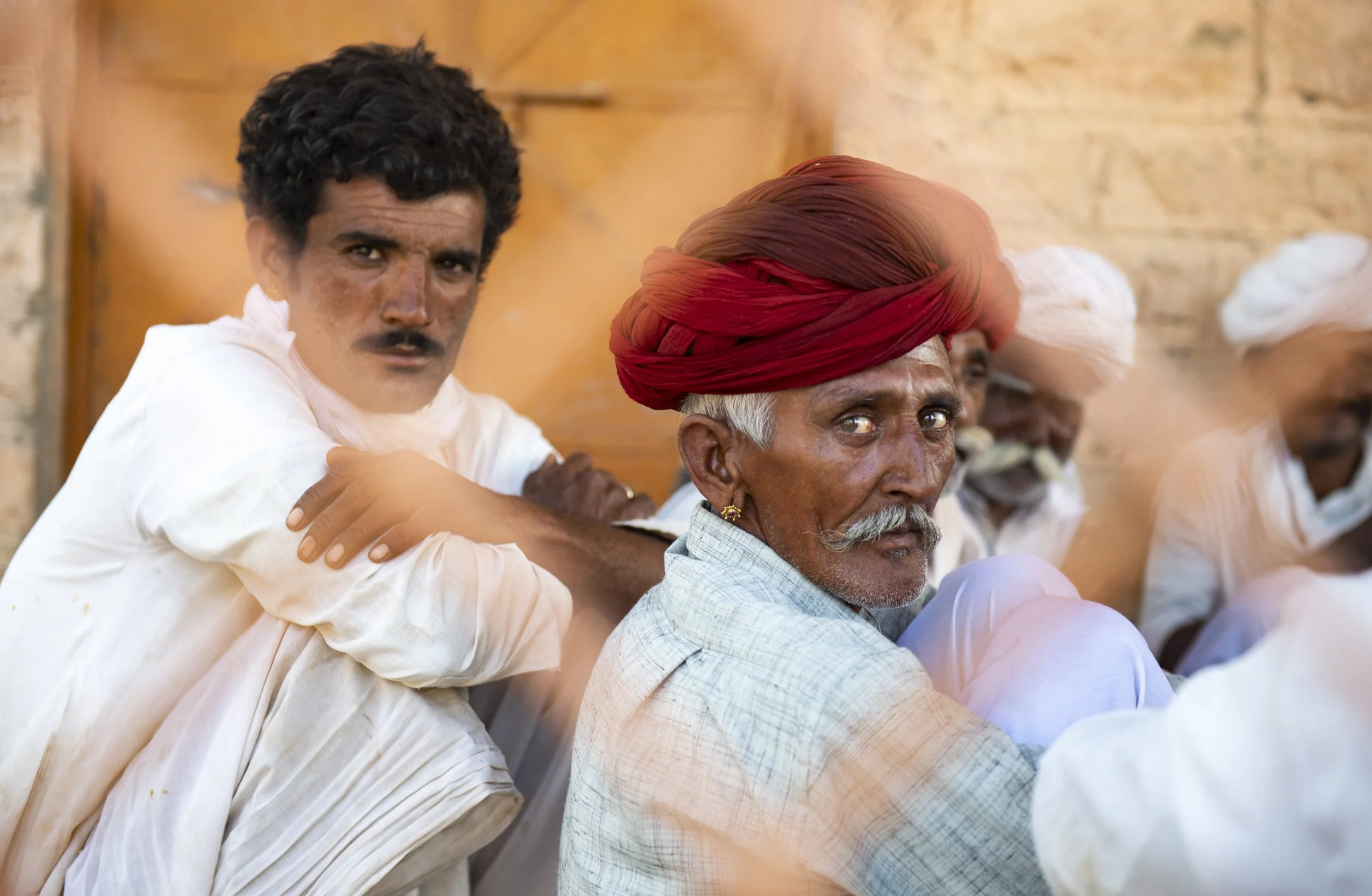
After years of living abroad, I returned to India and traveled through its cities, towns, and villages between 2013 and 2019. Time and distance had shifted my perspective. As I spent time with people in their own spaces, I began to truly see them—as individuals full of dignity, resilience, and joy. When I changed how I looked at them, they looked back—no longer subjects, but collaborators in the act of seeing.
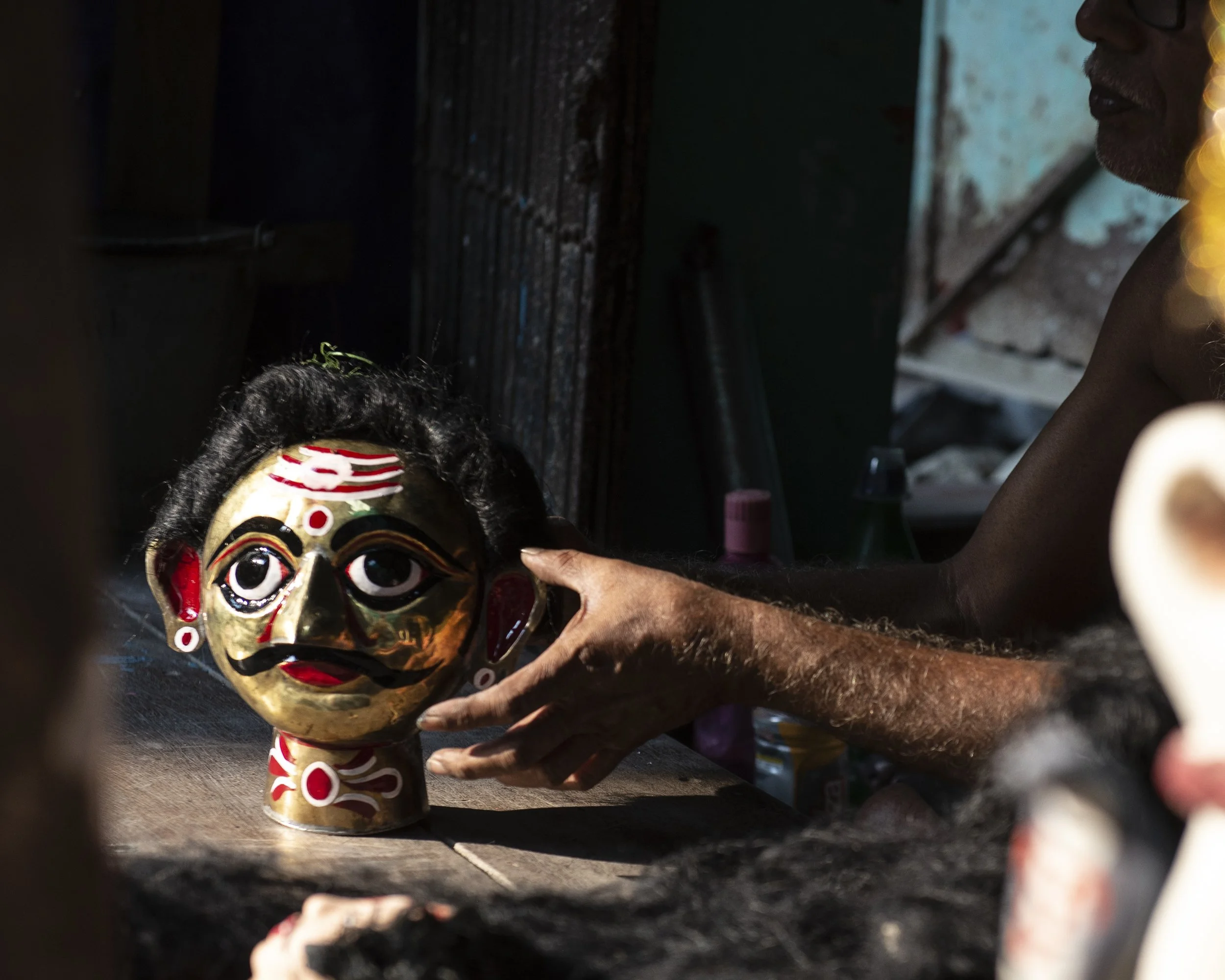
They welcomed me into their lives: into streets, markets, temples, and eventually into their sanctum sanctorum—their homes, kitchens, and community spaces. Despite the class divide, we were united by enduring Indian values of resilience, generosity, and joy. I saw these values play out in their daily rituals, relationships, and work—expressions of their karma.
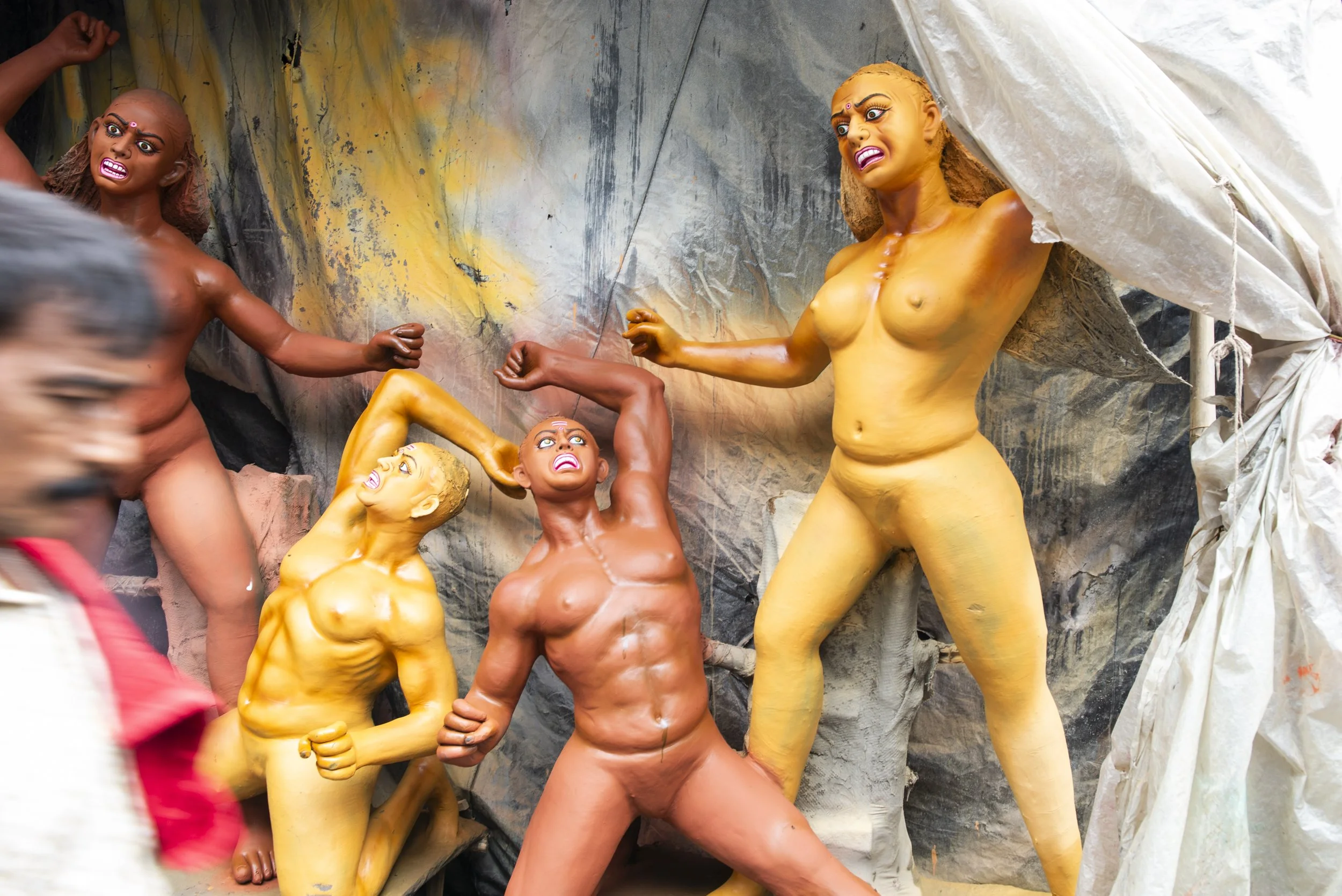
This was not a linear journey; I sometimes slipped back into old habits. But over time, I moved from “unlooking” to truly “seeing”. This project documents that shift ... and asks the viewer: Who are you unlooking at, and who might be unlooking at you?